Master Planning for Secure School Facilities
Safety is not a feature that can be bolted onto schools after construction. It must be planned, designed, and operationally integrated from the start. As threats evolve and communities change, school facilities must support not only learning but resilience, communication, visibility, and rapid response.
This white paper outlines how school leaders and policymakers can embed safety and security into every phase of facility master planning. Drawing from national discussions among school administrators, safety directors, and subject-matter experts, it highlights the importance of aligning design, technology, operations, communication, and culture to build school environments that are both secure and welcoming.
The Case for Security-Driven Master Planning
The physical environment plays a central role in creating safe, supportive campuses. Effective master planning helps school districts proactively evaluate risks, set long-term priorities, and align capital investments with safety goals. It also ensures that future renovations or new construction support consistent security standards across all campuses.
Schools that embed safety into their planning processes benefit from:
- Facilities that naturally support supervision and quick protective actions
- Clear, safe movement patterns for daily operations and emergencies
- Lower long-term upgrade costs compared to reactive retrofits
- Greater community trust when safety needs are transparently addressed
- Stronger eligibility for state and federal funding tied to capital improvements
“The facility can facilitate or inhibit safety, but ultimately it is the people running the campus that are the greatest asset or liability.”
Establishing the Essential Foundations
Every secure school environment begins with two non-negotiable infrastructure elements: reliable access control and robust communication systems. These foundational components provide the structural and operational base upon which all additional security layers must be built.
Secure Doors and Access Points
Master planning should prioritize:
- Standardized locks and door hardware
- Secured vestibules that manage visitor entry
- Minimizing the number of uncontrolled exterior doors
- Hardware that supports rapid lockdown procedures
- Door designs that enhance visibility and reduce hiding spots
Districtwide Communication Systems
A coordinated response is impossible without consistent, functional communication tools. A master plan should include:
- A districtwide PA/intercom backbone
- Redundant communication pathways
- Radios compatible with first responders
- Unified emergency notification systems
- Clear zones and paging capabilities
“Before investing in advanced technology, the fundamentals must be strong, reliable, and universal.”
When these essentials are in place, they enable more advanced systems - and ensure they perform as intended during critical moments.

Designing Physical Spaces That Support Safety
The built environment influences how people move, how threats are detected, and how quickly protective actions can be taken. Security-minded master planning incorporates:
- Natural surveillance: long sight lines, minimized blind spots
- Thoughtful zoning: separation of public, semi-public, and academic areas
- Exterior design: lighting, landscaping, and fencing that enhance visibility
- Clear circulation paths: movement designed to reduce congestion and confusion
- Strategic placement of gathering spaces: gymnasiums, auditoriums, and fields with safe access and egress
- Wayfinding and signage: to support fast, intuitive direction during emergencies
“Design is one of the quietest, most powerful tools in school safety.”
Well-designed spaces reduce opportunities for misconduct and improve response readiness - without compromising the openness and warmth of the learning environment.
Layering Technology as a Force Multiplier
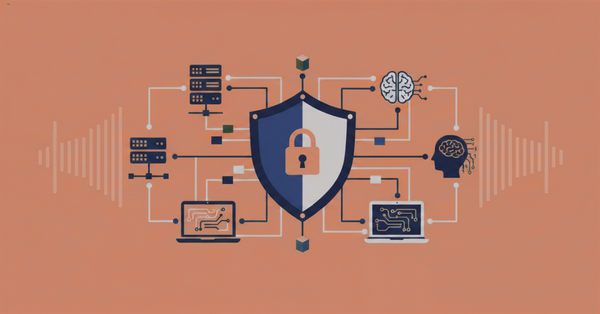
Advanced technologies can significantly enhance situational awareness and response capabilities, but only when integrated into a thoughtful master plan built on a solid foundation. Technology should be implemented in layered phases aligned with infrastructure, operational readiness, and staffing capacity. Key technology categories include:
- Video surveillance systems
- Access control and visitor management
- Panic and duress systems
- Emergency communication platforms
- Environmental sensors
- AI-assisted detection tools
- Digital mapping and incident dashboards
“Technology strengthens people; it does not replace them.”
The goal is not to deploy every tool available, but to select and integrate those that reinforce existing protocols and improve overall resilience.
Operational Alignment: The Bridge Between Design and Safety
Effective safety requires more than infrastructure — it requires people who understand how to use that infrastructure under stress. Master planning must therefore align facility design with:
- Training and drills
- Tabletop exercises specific to each building
- Maintenance schedules for critical safety systems
- Joint planning with law enforcement and emergency services
- Clear procedures for events, after-hours use, and transportation
When physical design and operational protocols reinforce one another, safety becomes intuitive and reliable.
“A facility is only as effective as the people trained to use it.”
Policy and Funding Considerations
Master planning provides a framework to help policymakers and district leaders make informed decisions about funding, prioritization, and long-term capital improvements. It strengthens:
- Grant-readiness and justification for major investments
- Transparency for boards and communities
- Development of phased, multi-year security roadmaps
- Alignment across departments (facilities, IT, safety, transportation)
- State-level decision-making on standards and minimum expectations
“Strategic planning transforms safety funding from isolated purchases into lasting infrastructure.”
Guiding Principles for Security-Driven Master Planning
School leaders and policymakers can strengthen facility safety by embracing the following principles:
- Build from the fundamentals first - secure doors and reliable communications
- Design for visibility and supervision - in daily routine, and the ability to conceal/hide quickly in extraordinary circumstances.
- Plan in layers - physical design, operations, and technology must work together
- Engage multidisciplinary teams - safety, facilities, IT, mental health, and first responders
- Standardize across campuses - consistency simplifies training and improves readiness
- Communicate transparently - communities support what they understand
- Think long-term - master planning is a multi-year, iterative process
Conclusion
A secure campus begins long before security systems are installed or emergency plans are written. It begins with a master plan that integrates safety into the DNA of every building, renovation, and operational decision. By strengthening foundational systems, designing with intent, aligning operations, and strategically layering technology, districts can create environments that are both safe for and supportive of learning.
Designers, planners and owners should explicitly ask themselves, "What are we trying to keep our students and staff safe from? Statistically, what are the most likely threats our students and staff face? How can our building, protocols and culture prevent daily abuses and threats to our occupants while allowing us to respond to extraordinary threats as needed?
Contributors:
Members of ZeroNow and the National Council of School Safety Directors, and the Safety Cohort for School Administrators who participated in online and roundtable discussions on this topic. A panel discussion included:
James Hand
Director of Facilities
Fargo Public Schools
David Sturtz
Principal
Sturtz & Company
Guy Bliesner
School Security Analyst
Idaho State Board of Education
Watch the full Conversations video and post questions/comments.