Foundational Cybersecurity Practices for Education
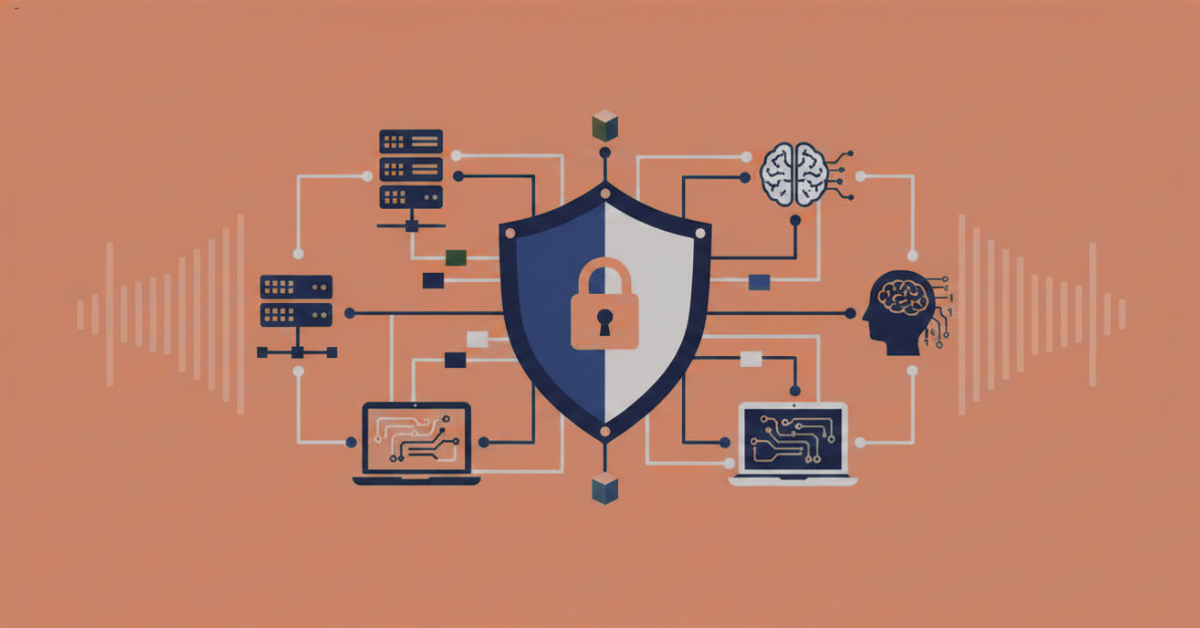
Strengthening Security, Safety, Trust, and Continuity in the Modern Education Environment
Schools are increasingly reliant on digital systems to deliver instruction, manage operations, and safeguard sensitive student information. Cyber threats such as ransomware, data breaches, account compromise, and social engineering continue to escalate across the education sector. Establishing a foundational cybersecurity posture is essential to ensuring operational continuity, protecting students and staff, and maintaining public trust. This is not an aspirational maturity level; it is the minimum standard required to responsibly operate a modern school system.
Districts should align their practices with a recognized cybersecurity framework, such as the NIST Cybersecurity Framework (NIST CSF) or the Center for Internet Security (CIS). Adopting a framework provides a common language for leadership, clarifies priorities, supports compliance obligations, and enables institutions to plan and mature in a strategic and consistent manner.
Human behavior remains one of the most targeted vulnerabilities, underscoring the importance of security awareness as an indispensable component of cybersecurity readiness. Staff, teachers, and administrators must be able to recognize threats such as phishing attacks, suspicious links, and social engineering — a form of manipulation intended to extract sensitive information, often presenting as fictitious emails, phone calls, or other communications. District staff must understand the importance of safeguarding student data, use strong authentication practices, and know when and how to report suspicious incidents.
Training should not be limited to staff, teachers, and administrators. Students and their caregivers need guidance in safe online conduct, protecting personal information, recognizing cyberbullying and malicious impersonation, and understanding their responsibilities when using school-issued devices and digital accounts. When training is recurring, role-based, age-appropriate, and measurable, it reinforces a culture in which cybersecurity is viewed not as an IT function but as a shared responsibility throughout the school community.
Technology controls form the operational backbone of foundational cybersecurity. Districts should implement controls that include secure authentication, device management, network segmentation, and centralized monitoring, along with other industry-standard leading practices. These measures are practical, scalable, and achievable for districts regardless of size or resources, and they significantly reduce exposure to preventable incidents.
By implementing foundational cybersecurity practices grounded in training, technology safeguards, and a widely accepted framework, K–12 schools strengthen protection for students, families, and educators, maintain uninterrupted learning, reduce financial and reputational risk, and reinforce confidence in digital education. Every school district should consider adopting this baseline to ensure safe learning environments and preserve the integrity and resilience of public education in an increasingly digital age.