A Layered Approach to School Security Technology

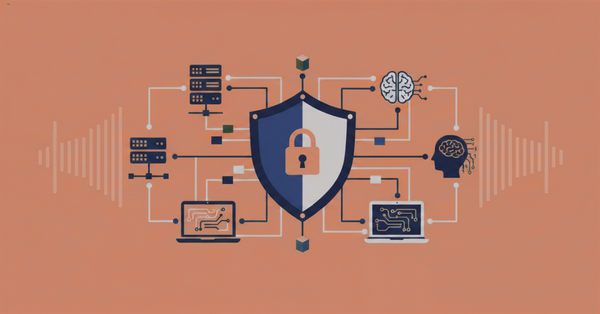
School safety is no longer defined by a single product, policy, or response plan. Effective protection of students, staff, and communities requires a layered, integrated approach that aligns people, processes, and technology around clearly understood risks. Drawing from a national superintendent roundtable and an expert panel of school security practitioners, this paper outlines a practical framework for implementing layered school security technology that strengthens culture, improves situational awareness, and supports informed decision-making without disrupting learning environments.
Why a Layered Approach Matters
Schools are complex, dynamic environments with varying risks based on geography, demographics, infrastructure, and community context. No single technology can address every threat or failure point. A layered approach recognizes that:
- Risk is dynamic and must be continuously assessed
- Human behavior can both strengthen and undermine security
- Redundancy and interoperability are essential for resilience
- Security must support, not detract from, teaching and learning
A layered model ensures that if one control fails, another can compensate - reducing reliance on any single point of failure.
“A boring day is often the best indicator that a unified, layered safety approach is working.”
The Foundation: Culture, People, and Governance
Technology is only effective when supported by a strong culture of safety. The most advanced systems can be rendered useless by complacency, inconsistent practices, or lack of training. Foundational elements include:
- A clearly defined safety leadership structure
- Cross-functional safety teams that include instruction, IT, facilities, mental health, transportation, and law enforcement
- Ongoing training for staff and students focused on situational awareness and appropriate action
- Clear policies, procedures, and accountability mechanisms
“Humans are both the strongest and weakest link in school security.”
The Human Layer as an Intentional Control
People should not be viewed solely as variables or sources of error, but as intentional security controls. Staff presence, supervision patterns, training cadence, and decision authority all function as protective layers when deliberately designed and supported.
Intentional human controls include:
- Clear expectations for supervision and access control
- Regular training that reinforces judgment, not just procedures
- Empowerment to act appropriately without fear of reprisal
- Alignment between policy, training, and real-world practice
When people are treated as part of the system—not an afterthought—layered security becomes resilient rather than reactive.
Governance, Ownership, and Accountability
Layered security systems most often fail not because technology is missing, but because ownership is unclear, oversight is inconsistent, or responsibility is fragmented across departments. Effective districts clearly define who owns safety systems, who validates that they are functioning, and who has decision authority during incidents.
Strong governance includes:
- Designated district-level safety leadership with authority and accountability
- Defined roles for facilities, IT, administration, and emergency management
- Documented incident decision-making authority
- Regular reporting to executive leadership and governing boards
Without governance, even well-designed systems degrade over time. Accountability ensures that security layers remain functional, aligned, and defensible.
Risk-Based Planning, Not Knee-Jerk Reactions
Panelists emphasized the danger of reactionary purchasing driven by media attention or isolated incidents. Instead, districts should begin with comprehensive risk assessments that identify vulnerabilities, prioritize needs, and guide investment decisions.
Risk-based planning allows districts to:
- Allocate limited resources strategically
- Avoid buyer’s remorse
- Build sustainable systems rather than short-term fixes
- Align security investments with real operational needs
“If you only have one dollar to spend, a risk assessment tells you where that dollar matters most.”
The Layers of School Security Technology
A layered approach spans multiple physical and digital environments, each supported by specific capabilities.
District and Digital Infrastructure Layer
- Cybersecurity and network segmentation
- Identity and access management
- Redundant communications systems
- Protection of digital learning and safety platforms
Cyber resilience is now inseparable from physical safety, as outages during emergencies can cripple response capabilities.
Campus and Perimeter Layer
- Fencing and controlled points of entry
- Visitor management and secure vestibules
- Exterior video surveillance and lighting
- Natural surveillance and environmental design
These measures deter threats, support early detection, and establish controlled access to school grounds.
Building Layer
- Electronic access control for doors
- Integrated video and alarm systems
- Public address and mass notification systems
- Clear visibility and monitoring of common areas
Access control failures remain a common factor in school incidents, making this layer foundational.
Emergency Communications as a System, Not a Device
Emergency communications are often treated as a single technology rather than a redundant, layered system. Public address systems, mass notification tools, classroom communications, and mobile alerts must be evaluated together for reliability, audibility, reach, and human activation under stress.
Key considerations include:
- Legacy system limitations and coverage gaps
- Power and network dependencies
- Redundancy across multiple delivery methods
- Training on when and how messages are initiated
Communication failures during incidents frequently stem not from lack of tools, but from unrealistic assumptions about system performance during disruption.
Classroom and Interior Layer
- Lockable classroom doors
- Interior communications
- Safe space design considerations
- Procedures that empower staff and students to act appropriately
“You can install the most secure door in the world, but one unlocked or propped door defeats the entire system.”
Integration and Interoperability
Security technologies should not operate in silos. Integrated systems improve speed, clarity, and coordination during incidents by:
- Reducing cognitive load on staff
- Providing consistent, verified information
- Supporting coordinated response with first responders
Interoperability also extends beyond the campus—linking schools with municipal systems, transportation routes, and emergency operations centers.
Pilots, Training, and Continuous Improvement
Before district-wide deployment, new technologies should be evaluated through pilot programs. Pilots allow districts to:
- Validate performance in real-world conditions
- Identify workflow and training gaps
- Measure impact on staff and student experience
Security is not static. Continuous audits, drills, and assessments are necessary to counter complacency and practical drift.
“Security is never finished—it must be inspected, reinforced, and refined.”
Inspection, Compliance, and Practical Drift
Security systems often degrade quietly through practical drift—when inspections become routine, documentation replaces verification, and systems are assumed to be working because they exist. False or incomplete inspection reports, deferred maintenance, and unchecked failures are common contributors to risk.
Districts should recognize that:
- Compliance documentation does not eliminate liability if systems are not operational
- Third-party inspections still require district validation and oversight
- Life safety systems must be physically verified, not just reported
- Drift occurs even in well-intentioned organizations without inspection discipline
A layered approach requires routine, observable validation—especially under real-world conditions.
Sustainability and Long-Term Planning
Short-term funding surges can create long-term challenges if systems are not designed to be sustainable. Effective master planning:
- Accounts for ongoing staffing, training, and maintenance
- Avoids overreliance on temporary funding sources
- Prioritizes foundational capabilities before advanced features
Clarifying What This Framework Is—and Is Not
This layered framework is:
- Not a product checklist
- Not a mandate for advanced or expensive technology
- Not a one-size-fits-all solution
It is a governance-guided approach that helps districts align people, processes, and technology based on risk, operational reality, and sustainability.
Conclusion
A layered approach to school security technology is not about buying more tools—it is about using the right tools, in the right order, guided by risk and supported by people and culture. When schools align governance, training, inspections, and interoperable technology across multiple layers, they create safer environments that protect learning, build trust, and strengthen community resilience.
A layered approach also strengthens a district’s duty of care by demonstrating intentional planning, reasonable safeguards, and ongoing oversight.
“Layered security isn’t about fear—it’s about preparedness, empowerment, and care for the people inside our schools.”
Contributors:
Members of ZeroNow and the National Council of School Safety Directors, and the Safety Cohort for School Administrators who participated in online and roundtable discussions on this topic. A panel discussion included:
Paul Timm
Director of Education Safety
Allegion
Guy Grace
K-12 National Security Manager
ASSA ABLOY
Michael Garcia
K-12 Evangelist
HID Global
Watch the full Conversations video and post questions/comments.