On the Frontlines: Supporting the Human Side of School Bus Safety
School bus transportation is the first and last touchpoint for millions of students each day. Bus drivers are more than operators of vehicles; they are frontline safety leaders, culture builders, and early detectors of risk. This white paper explores how training, organizational culture, effective communication, and reporting mechanisms create a safer transportation environment—and how technology can serve as a powerful force multiplier.
This white paper explores the often-overlooked world of bus safety, drawing from national school administrator roundtables, school safety director discussions, and expert panels. Through real-world examples and case studies, we’ll unpack the human factor, emerging risks, and the growing need to treat the school bus as an integral part of the school safety ecosystem.
The Human Factor in Bus Safety
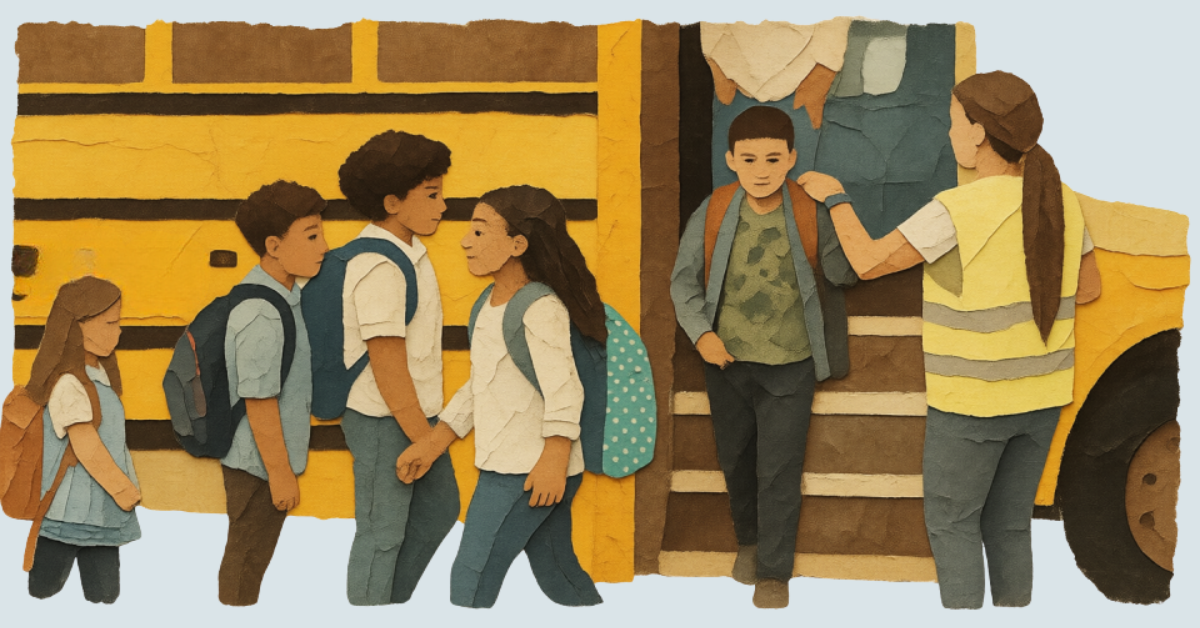
Security in School Bus Operations is not just about vehicles and routes. It is about people. Drivers interact with students at pivotal moments: the start of the day and the ride home. They may often notice subtle changes in behavior—like a student wearing the same clothes repeatedly, signs of stress, or escalating conflicts—that can be early indicators of broader issues.
As one expert described, bus driving is “classroom management on steroids at 45 miles an hour with your back to 70 students.” Drivers face a unique blend of logistical, behavioral, and safety challenges. Recognizing this reality means districts must invest in supporting the human side of bus safety, not just the operational one.
Training: Beyond Driving Skills
Traditional training has focused on vehicle operation and basic student management. Today’s environment demands much more:
- De-escalation & Pre-escalation Skills: Drivers need practical strategies for handling conflicts, threats, and disruptive behaviors before they escalate.
- Behavioral Awareness: Training drivers to identify concerning changes in student behavior (e.g., threats, bullying, emotional distress) equips them to serve as early-warning partners for schools.
- Communication Protocols: Drivers must know not only how to report but also who to report to, ensuring their concerns reach the right people.
Districts that incorporate behavioral analysts, SROs, threat assessment professionals and safety directors into annual bus driver training programs have seen stronger reporting and more consistent handling of incidents .
Building a Culture of Safety and Trust
A strong safety culture empowers drivers to feel like integral members of the school safety team. This involves:
- Relationships with Students: Greeting students by name, building rapport, and showing care can defuse issues and create trust.
- Respect & Recognition for Drivers: Treating transportation staff as frontline educators reinforces their importance and improves retention. High turnover undermines safety, while stable, respected teams foster consistency.
- Shared Standards: When buses are viewed as “classrooms on wheels,” student expectations align with those inside the school building. This not only heads off problems early but also builds stronger connections with classroom teachers and other school staff.
Culture is reinforced through constant communication among administrators, drivers, and families.
Communication and Reporting: The “See Something, Say Something” Chain
Drivers are often the first to “see something,” but without a clear process, they may not “say something.” Effective systems require:
- Low-Barrier Reporting Mechanisms: Simple forms, radio protocols, or digital tools that make reporting fast and easy.
- Feedback Loops: Letting drivers know their concerns were received and acted upon encourages continued reporting.
- Integration with Threat Assessment Teams: Ensuring observations make it into school-wide behavioral threat assessments closes the gap between transportation and administration.
Technology as a Force Multiplier
While safety is built on people and culture, technology extends capacity:
- Cameras & Audio: Provide evidence and context when behavior disputes arise, though reliability and access can vary.
- GPS and Parent Apps: Real-time bus tracking increases transparency and reduces uncertainty for families.
- Digital Reporting Tools: Apps that allow drivers to log incidents instantly and securely ensure concerns aren’t lost in paperwork.
- AI and Analytics: Emerging systems may help detect patterns of concern (vaping, repeated behavior issues) that warrant intervention.
Technology cannot replace people, but it can streamline communication, enhance accountability, and give safety staff actionable insights at scale.
Recommendations for School Leaders
- Invest in driver training that goes beyond driving. Include de-escalation, behavioral and situational awareness, and communication protocols.
- Establish buses as classrooms on wheels. Hold students to the same behavioral expectations as in school.
- Create clear reporting mechanisms. Ensure drivers know how and who to report to, and always provide feedback.
- Strengthen relationships. Encourage drivers to know students’ names and backgrounds; build trust through consistency.
- Leverage technology strategically. Use cameras, GPS, and apps to extend human capacity, not replace it.
- Foster culture and respect. Recognize bus drivers as part of the safety team and ensure their voices are included in school safety planning.
Conclusion
The “human side” of bus safety is about more than policies—it’s about people. Drivers need the training, cultural support, communication tools, and technologies to keep students safe. By investing in both human capital and smart technology, schools can transform buses from vulnerable spaces into secure, supportive environments that extend the school’s culture of safety from the first pickup to the last drop-off.
Contributors:
Members of ZeroNow and the National Council of School Safety Directors, and the Safety Cohort for School Administrators who participated in online and roundtable discussions on this topic. A panel discussion included:
Dennis Ryan
Coordinator of Transportation
North Penn School District
Chris Weedin
Project Manager
School Safety Operations & Coordination Center
Joe Redmond CPP, PCI
Sr. Manager, Security
First Student
Watch the full Conversations video and post questions/comments.